Long Term Benefits Of Planting Vegetable Gardens

A lot of people are beginning to see the benefits of planting vegetable gardens. It’s usually healthier because you get to decide whether or not to use commercial pesticide on them. Since vegetable gardens are typically manageable in size because they’re not grown for profit, it’s easier for people to manage the plot without having to resort to using commercial pesticides. Vegetable gardens also assure you of fresh produce because there’s no need to pick the vegetables and refrigerate it. Vegetables stay fresh as long as you don’t pick it from your garden, except if it becomes overripe. Aside from health reasons, planting vegetable gardens is also economical because the produce is not going to be as expensive as those that you buy from markets or groceries.

People who have been successful in planting vegetable gardens usually know that you can’t keep growing only one type of vegetable in a garden. It’s usually more advisable to rotate crops instead of planting only one kind of vegetable year in and out. Rotating crops will make sure that the micro nutrients in the soil will be preserved, and that diseases will not build up in soil particulates.

Planting vegetable gardens take some careful planning on your part, and also an understanding on plant families to know which vegetable types are compatible with each other. These are some examples of groups that can be considered “compatible” and are safe to be rotated together:

Alliums – onions, leeks, shallots, and the likes Crucifers – such as radishes, turnips, broccoli, cauliflower, and the likes Brassicas – brussel sprouts, mustards, cabbages, kale and the likes Legumes – peas and beans Cucurbits – cucumbers, squashes, melons, etcetera Solanaceae – peppers, eggplants, tomatoes, and the likes Mescluns – arugula, endive, radiccio, etcetera

Rotating vegetables of the same family would also mean that (more often than not) they would be susceptible to the same kind of pests. This makes pest control a bit more manageable for you since you don’t have to adjust to different types of pests for different families of vegetables.

Vegetables such as asparagus, rhubarbs, and other perennial vegetables must not be rotated. They should be planted separately because of this. The more hardy and semi-annual vegetables can be rotated yearly so that no family of vegetables is planted in the same bed for four years. If you have done some planning before planting vegetable gardens, a small plot would like similar to this: four beds for plants that can be rotated, and one bed for perennial, non-rotating plants.
It would also be ideal for people who planning on planting vegetable gardens to spread out the kinds of vegetables they plant so that they don’t harvest too much of the same vegetable in one season. You wouldn’t want to be stuck with too many cucumbers in one season, would you? Throughout the growing season, try and plant varying types of short-season vegetables so that you’ll be assured of many different types of vegetables throughout the season.

If you really plan to get the most out of planting vegetable gardens, it’s best if you do your research first. Check which plants go together, check whether you have enough space to rotate your plants, check which plants you can actually rotate to prevent poisoning and depleting the nutrients of the soil, and spread out the type of vegetables you plant so you won’t have too much of the same thing for the whole planting season.

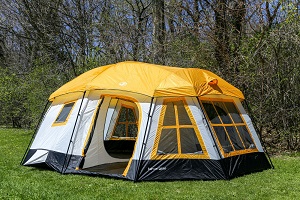
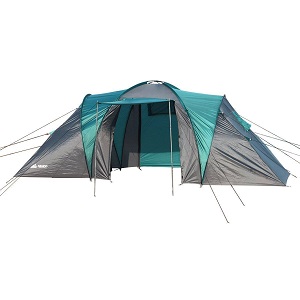
Browse Additional Family Cabin Style Outdoor Camping Tents with eport, room dividers, rainfly and more…
Shop Outdoor Family Cabin Style Tents
Growing Plants and Flowers That Attract Butterfilies

What is butterfly gardening? Simply put butterfly gardening is the art of growing flowers and plants that will attract these colorful and dainty creatures to your garden. Delight your family and visitors with beautiful butterflies, but be sure to create a safe habitat for them. If you own cats rethink your plans, because it would be a shame to attract these lovely insects to their death.

The design your butterfly garden is a matter of personal preference. Typical points to consider are the size of your garden and the types of flowers and plants you want to grow. Pick a style of garden that appeals to you, but ensure it also contains the plants and flowers that appeal to the butterflies you wish to attract.

It is important to find out which plants and flowers will attract the species of butterflies. that live in your area. This information can be found at the local library
To create the kind of environment that they find attractive, you will also need water of some kind. A birdbath will look attractive and keep the butterflies up off the ground, away from stray cats or mischievous puppies. A shallow dish on a post or hung in a tree will do just as well.

When planting your butterfly garden be careful how you coordinate the colors you choose for your flowerbeds. Although butterflies do not care about your choice of color, you don’t want your garden to be a hodgepodge of unrelated colors and textures. Butterflies are attracted to those flowers that have nectar rather than pollen, like honeysuckle, milkweed, summer lilac, Valerian, daisies, Purple Coneflower, Yellow Sage, day lilies and lavender.

Some people find it helpful to draw and color a layout of their butterfly gardening plan to see what the finished product would look like. Keep in mind that warm colors like red and orange are flashy and showy. These colors have a greater impact against a strong green background. Cool colors such as blue and purple are soothing and toned down and would work better with a white contrast to create the look of freshness and brightness.

When creating a butterfly garden, the possibilities of what to include in your butterfly garden design are endless. Below are some suggestions to help get you started. They are designed to spark the creative process of your mind and get you started on your way to creating a lovely butterfly garden.

Before you even begin your butterfly garden, find out which species of butterflies are in your area. Consider taking an exploratory hike around your location with a butterfly identification book. This may take a little extra time and effort, but the results will be worth it. After you have compiled your list of local butterfly species, be sure to write down in your butterfly garden plan what these particular species of butterflies use for nectar and food plants.

Be sure that your garden is in a location that provides at least six hours of sunlight per day. Butterflies are cold-blooded creatures and therefore do better where they are warm and sheltered.

Wind can be a butterfly’s worst enemy so be sure to have plenty of wind protection in your design. You can plant tall shrubs and other plants in order to create a wind break, but a location that avoids heavy winds is even better.

The best of all would be a butterfly garden placed on the sunny side of your home with windbreaks on both the west and east sides, or wherever the prevailing winds come from in your area. Try and locate your garden close to a window so you can view the butterflies from indoors. Provide seating outside too.

If possible, you could excavate an area and build a stone wall around it. This would create the ideal windbreak for your butterflies. Make gravel pathways around your garden to save walking in mud.

There are many creative ways for constructing a butterfly garden. Take your time to design a garden that you will enjoy and be proud of.

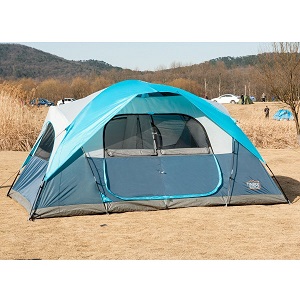
Check Out More Family Camping Tents with Room Dividers for Multiple Rooms for Privacy and Comfort
Find Your Perfect Family Camping Tent with Room Dividers

Chunk Candles As An Alternative To The Standard Pillar Candle

Making Chunk Candles

Chunk candles add a great alternative to the standard pillar candle of yesterday. These colorful candles add a vibrancy and life to them. Looking at chunk candles, they appear to be very difficult to make. However, just the opposite is true. In fact, many candle makers claim they are easier to make than basic pillar candles. This is because pillar candles have to be perfectly smooth. If they aren’t, it is easy to see the visual defect. Such blemishes aren’t visible in chunk candles. While chunk candles aren’t recommended as a beginner project, they can be made once you know the basics of the candle making process.

There are two phases to making chunk candles. To make the process easier, it is recommended that you keep the two separate. Attempts to cut corners often result in chunk candles that are of poor quality and don’t burn well. The first phase of the project is making the chunks. The second is the process of turning those chunks into gorgeous candles. Some individuals choose to purchase pre-cut chunks at craft stores or online.

To make your candles their prettiest, select colors that compliment each other. To start making the color chunks, spray a cookie sheet with a non-stick cooking spray. You only want a thin film on the cooking sheet. After the wax you are using has completely melted, add a color to it as well as any fragrance you want. Pour the mix onto the cookies sheet. Fill the sheet to the level you want the depth of your candle chunks to be.

Keep an eye on the cooling color chunks. Once it is the consistency of cookie dough you will want to use a sharp utility knife to cut it into chunks. Allow the chunks to continue cooling. If you are making several colors of chunks you can mix them together or leave them separate. Some people choose to let the colors mix together on their own while others like to create a design by adding the amount of each color they want.

Using the same molds that are used for pillar candles, insert your candle wick through the bottom of the candle mold. Fill the mold loosely with color chunks. You can put one color on the bottom with another color on top or even layers of three colors. You can also use only one color. The choice is all yours. Do not stack as many chunks as you can in the mold or the candle won’t form properly. Just toss them in and let them lay where they end up.

You are now ready to pour the melted wax over the color chunks. It is recommended that you do leave the melted wax colorless, but some people choose to add a light color to tint it and add a uniqueness to their chunk candles. As the candle cools, the chunks will adhere to together with the hot wax. Once the molds cool the chunk candles should slide out with ease.

Making chunk candles is really quite simple if you have the basic candle making concepts under your belt. These candles add flare to any décor as well as make great gifts. They are a bit more time consuming to make since you will be making your color chunks, but well worth the results. Remember that you can purchase color chunks to save you time. That is a great option for someone who plans to make large quantities of chunk candles.

For those who want to get even more creative, consider using embeds on the sides. You can place them in the candle molds first. They will stay in place once you put the chunks in the mold. You can adjust the embeds as needed prior to adding the hot wax to the mold. There are excellent books available on the various patterns and embeds you can add to make specific chunk candles. There are also great pictures and step by step instructions available on the internet.

Browse More Outdoor Heavy Duty Folding Camp / Beach Chairs with Canopy, Footrest, For Heavy Set People and more…
View Heavy Duty Folding Camping / Beach Chairs