Use These Ways To Create Your Own Garden Compost

Developing your own compost is an excellent way to garden using an environment-friendly method.

Beginning a compost heap is a preferred method. Pick a dry location due to some darkness and layer your organic waste. You need to toss your food surplus in addition to the waste produced by your garden, such as trimmed leaves or cut grass. Hide the leftover food deep into the pile so their aroma does not entice roaming pets. You should change your layers routinely to aerate the stack and to see to it that the material at the bottom is turning into garden compost. The only downside to this approach is that some city governments prohibit the use of open compost piles due to the fact that they could bring in animals, and the aroma can end up being a problem if the pile is not effectively taken care of.

If making use of an open compost pile is not an option in your location, you can stash your waste. Accumulate your organic waste and bury it 8 inches into the ground. The waste will certainly develop into compost within the following 2 months and will improve the soil. This is a great choice if you are prepping your garden prior to growing brand new species, such as before spring time. This procedure may not be an alternative if your dirt is iced up in the wintertime or if you keep including more compost throughout the growing period.

If you just have to create small quantities of garden compost, you need to consider using compost bins. You can quickly discover containers at horticulture outlets or baby rooms, but remember that you can make use of a routine trash container if your local government allows you to. Pick a huge bin and poke a couple of gaps in the top and on the sides so the compost can be appropriately freshened. Layer your natural waste into the container and rearrange these layers once a week.
Worms can be utilized to create garden compost if you do not have enough space for a stack or a compost container. You will require a ten-gallon bin or container and about a hundred red earthworms or manure worms. These worms can consume meal scraps, waste from your plants, as well as paper. Fill your compartment with organic waste and hang around with patience for the worms to eat it. Their spreadings will certainly be abundant in nutrients that can be utilized to fertilize your plants. You have to oversee your worm container meticulously, ensure the earthworms are not getting out, and keep adding even more waste or even more worms as needed. This method allows you to produce small quantities of compost, but this compost is richer compared to the material acquired through various other techniques.

You should do additional study on different ways to make compost for your plants and pick the approach that is best adapted to your needs. You will find that creating your own garden compost is really easy and will really make a difference for your garden.
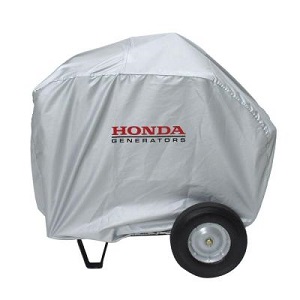
Browse Additional Generator Accessory Items for Honda, Champion, Generac and more…
Shop Portable Generator Accessories; Generator Covers, Parallel Cables, Extension Cords
Dealing With All Those Weeds In Your Yard and Garden

Having to look at weeds in your garden can quickly destroy the charm of it. Yet that does not need to always hold true. You work hard to keep your garden looking great, and you can do many things to keep weeds from growing. Use the pointers in this post, and you can have a beautiful, weed-free yard that you are proud of.

One thing that helps with weeds is mulch. Including mulch in your yard helps to prevent the development of weeds. Many weeds will not grow when they are covered in compost, while some weeds will grow at a far slower pace. Not only will mulch help in weed control, but it will also help make your garden look better. Include a couple of inches of mulch over all of the spots without plants, and you can have a great-looking, weed-controlled area.

Weed out your garden when the ground is damp. Weeds growing in your yard is inevitable. Growing weeds suggests you will need to weed the area to keep it looking its best and to keep your plants as healthy as possible. To take advantage of your weeding efforts, spend time weeding when it is wet. By doing this, you will be able to pull the weeds and root systems out a lot easier.

Plant your plants as close together as possible. You do not want to put them closer than is recommended, but if they are close enough, there will be much less room for weeds to grow. Weeds will find any sort of location where something is not growing and call it home. If there are minimum bare spots, you will have fewer weeds entering your garden.

Weeds cannot grow if they are not supported. If there are areas without plants that you notice weeds growing in, do not water that location. While that may not be an easy task, just try your best to not water those areas.

Landscape fabric can help keep your area without weeds. This slim material is made to impede weed development. You simply place it over your garden, then cut gaps in it where you want your plants. This is not the least expensive option, but it can help keep your yard clear of pestering weeds.

If you find weeds are entering your yard, establish a weeding schedule. By remaining on top of the weeds, it is much easier to control them. Set up your timetable to weed the location every couple of days or at least weekly.

How huge is your garden? If you are finding it is too big to keep under control, you might want to make the yard a smaller, more convenient size. With a smaller yard, there will certainly be fewer weeds. While you would like to grow several plants in a larger garden, you might find a smaller-sized garden is much more satisfying.

You can keep a stunning yard that is free of weeds. Use the suggestions from this short article, and you can have the weed-free yard you have always wanted.

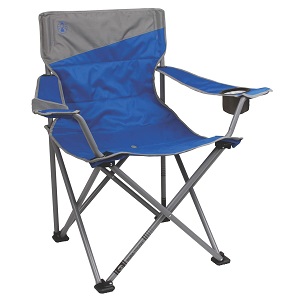
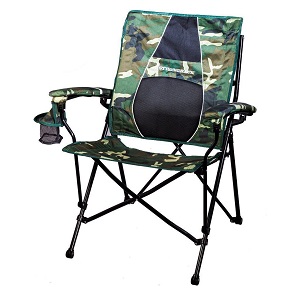
Browse Additional Selections of Sturdy, Oversized Folding Camping / Beach Chairs for Your Sitting Comfort
Select Heavy Duty Camping Chair That Is Best For You

How To Plant A Vegetable Garden For The Beginner

Planting a small or large vegetable gardens can be a very rewarding endeavor, not to mention that it’s good for your body because of all the exercise you will get, and the healthy vegetables that you’ll get to eat. These days, it’s really ideal if you can plant your own vegetables to make sure that they’re pesticide free, but a lot of people feel intimidated by the idea of planting vegetable gardens especially in a city.

Vegetable gardens are typically easier to maintain than flower gardens because vegetables are more resilient, especially in different types of weathers. Flowers are typically more delicate to changes in the weather, and don’t adapt as easily. Planting vegetable gardens usually demand a lot of space, although some vegetables can also survive in plant boxes. It really depends on what kind of vegetables you will plant, and what you expect out of your vegetable garden.

Planting Styles The more traditional way of planting vegetables is laying them out in straight, organized lines. Some people prefer to plant alternating rows of different types of vegetables so that when one type of vegetable is about to be harvested, the rows in between them have vegetables that are not yet in season. The soil structure quickly becomes ruined because gardeners have to walk between rows, though.

A popular way of planting vegetable these days is planting them in beds rather than the traditional rows. The beds have to be small enough in size so that you can reach into it and pull out the weeds that will grow among your plants. Beds can also be raised a bit higher off the ground so that the heat will be kept inside longer during cold weather. It also makes for a good drainage system around the beds.

Another planting style that is popular is potager which combines vegetables with flowers and herbs and are planted in a way that is aesthetically pleasing.

For people who have constrained living spaces (especially those who live in the city), vegetables and herbs can grow in smaller plant boxes and containers. Vegetables will need a lot of sunlight and open spaces. If you want to reap a lot of vegetables, you should invest in bigger real estate.

Preparing the soil A very important aspect of planting vegetable gardens is preparing the soil. It doesn’t matter whether you plan to raise vegetables in a small plot of land or in a plant box. Soil preparation is an essential step. Soil can be categorized as sandy or clay-like, with silt being a fine mixture of both sand and clay. Clay particles in sand help retain water longer as well as make the soil absorb water faster. Sandy particles in soil makes the water flow through it easily and lets the air in so that the roots can breathe.

The best way to go when preparing the soil for your vegetable garden it to make try and make the soil be a good balance of clay, silt, and sand. Ideally, it should be 40% silt, 40% sand, and 20% clay. To test it, you can scoop up soil and form it into a ball using your hand. It should not be too hard as to not crumble when you poke at it, but it should also be sticky enough that it retains its shape even if you don’t press it too hard with your hands.

Planting vegetable gardens require a lot of patience. You have to find what works for you, and experiment on getting the right type of soil for the right type of vegetables. All the hard work will be worth it, though, once you experience eating something that grew from a garden that you planted yourself you will be hooked on planting a garden every year.

Gardening Tools You Will Need

What good would a green thumb do you if you do not have some of the very essential gardening tools to make your job go a lot smoother? Here are some basics that every good gardener should have beginning with the novice all the way up to the “professional”
gardener.

Gloves – You should have a good pair of waterproof gloves that fit well. You should also find some that have long cuffs. Gardening gloves seem to be best suited to fit men so women will probably have to hunt to find a good pair.

Sun hat – You should have a hat with a wide brim equipped with a drawstring cord. This should provide adequate protection from the sun. You have to make sure that your hat will not be lifted aloft when those spring winds come.

Canvas apron – A good apron to have is one that has pockets to fit some of your tools in as well as your phone. This is good when you don’t always have a chance to put on your grubbiest clothes.

Five-gallon bucket – This comes in handy to tote your tools around with you as you make your way through the flower beds. You can always toss weeds in as you are working!

Spade – This is an important tool to have but one that can easily get misplaced or thrown out by accident. It would be a good idea to get some brightly-colored tape to wrap around the handle so it will show up against the grass.

Pruners – These are great to clip back woody stems. You will get a nice, clean cut that will minimize any injury to plant tissue.

Hand rake – This is just a little bit larger than a spade and does a great job in fluffing up mulch or in turning up very young weeds.

Select From These Unique and Distinct Gifts For Campers from the New Camper to the Camper Friend Who Has Everything>/I>
Shop Great Wished For Gifts for Campers