Practice Your Bug Out Plans For A Safe and Smooth Escape When The Time Comes

Having a bug out plan is one thing but really putting it into action is another. Everything looks different when emotions are heightened and the possibility that your life could be at stake enters the picture. It can be stressful and when you add in the fear that young children experience during chaos, your bug out plan could end up costing you instead of saving you.

That’s why you need to practice, kind of like practicing your fire drill, various bug out scenarios so that your escape plan runs smoothly. You want everyone to know what to do, when to do it and how to react. You want everyone to know ahead of time that everything is going to be okay. By having clear cut instructions that your family knows like the back of their hand, what can happen during chaos is that repetition can overcome the fear. Everyone can act on autopilot because they’ve had what to do drilled into them through practice.

It’s not enough to have everyone act out the escape plan a couple of times. You need to hold ongoing escape drills and various scenarios that impact that escape every single month. This way, your younger children won’t be afraid when something happens. They’ll know that everything is going to be okay.

You need to have a meeting point in place and each family member should know where it is and the route to take to get there. But everyone needs to also know a plan B in case the road leading to the meeting point is blocked or has been compromised.

You’ll want to practice getting to this meeting point when you’re at home as well as when the family is separated. Obviously, you’ll keep younger kids with you but older teenagers need to know how they’re going to get to the meeting point.

You need to know ahead of time what to do if everyone is doing their job. This includes knowing who gets which family member if necessary. If you have a number of small children and / or elderly family members you may need to assign responsibility for a small child to one of the teenagers. You want to know how to act when it’s needed. Trying to decide how to react in the heat of the moment always compounds the problem.

You need to practice for the different scenarios. This includes ones like natural disasters. Prepare flood evacuation, fire evacuation and if you live in a tornado prone area, plan how you’re going to escape the area. You need to have an escape plan in place in the event of an EMT, an enemy air strike or biological warfare. Don’t just say “oh, that will never happen here”.
Go over your escape plan during the morning hours, in the afternoon and in the evening because things look different at night. Practice as if you didn’t have any power at all. Practice escaping both on foot and in a vehicle.

Make sure that every member of the family has an alternative way to communicate if cell phones go down. Have a spot chosen ahead of time where you can leave communication such as notes if you have to.

Run through your complete drill from beginning to end. It might be an inconvenience now, but in the long run, it could save your life and those you care most about.

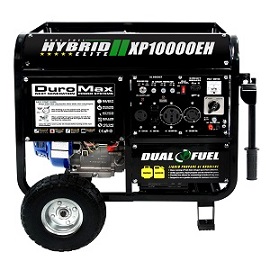
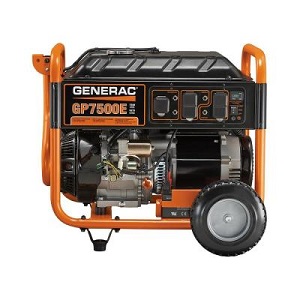
Browse Addition Portable Generators for Home, Camping, Job Sites, Tailgating, Sports Events and more…
Shop Portable Generators for Home, Camping, Work Sites, Tailgating and more…
The Wonderful Hobby of Fishing

Many people consider that fish are only a medium of survival, or to some extent a food supply; yet there is another angle that is little known. The manufacturing industry utilizes more than two billion pounds of fish and fish by-products every year. This is slightly more than is used for food.

What most people do not know is that fishing continues to provide recreational activity of making it one of the most preferred hobbies.

In fact, fishing as a hobby is continuously growing and that is why the estimated number of people who acquire fishing licenses each year is more than 12 million.

Moreover, surveys show that for every dollar spent for a fishing license, there are sixteen dollars spent for equipment, such as fishing tackle, food, clothing, and transportation. There is more money spent on fishing than on any other hobby in existence.

Why is Fishing a Great Hobby?

It is a means of providing something to free the mind and body of the worries of the day. It has also been proven to help in mentoring troubled teens, replacing negative thoughts and activity with more positive traits and pursuits. Fishing is truly a wholesome sport.

The use of all types of fishing equipment has added something that no other feature could possibly accomplish. Thousands of youngsters are enthusiastic to learn how to cast a fly or plug bait.

These youngsters have an interest in fish and fishing and they desire to fish in a lawful and recreational manner.

Boiled down, fish and fishing may be considered one of man’s essential resources. It is hoped that further realization of fishing as a hobby will develop the necessary knowledge of the true recreational value of fishing, the fish, and the general conservation of all natural resources as well as the value of good sportsmanship and developing good citizens.

Fresh Caught Fish Cooking Preparation

To maintain the delicate flavor of a newly caught freshwater or saltwater fish, this must be handled properly to avoid spoilage. Not to mention preserving the fish with pleasing odor. There are ways to properly prepare and maintain the quality just after the catch of the fish into a sumptuous fishmeal. Check out the tips below:

1) As soon as the fish lands avoid any contact with hard surfaces to prevent bruising. It should be washed immediately by hosing or bucket rinsing in order to remove the slime and possible bacteria that cause spoilage. Never use water from close proximity marinas, municipal or industrial discharges. To make sure, always use potable water instead.

2) Simply chill the fish to prevent deterioration in less than an hour. With a little advance planning, proper icing can be accomplished with the use of some relatively cheap equipment. Fish should be stored in coolers and should be well chilled. It should be 3″ deep, thus, covering a pound of fish with pound of ice. Use chlorinated water per quart of water for the final rinsing.

3) Clean the fish as soon as possible. Their tissues are sterile but not their scales, which contains many types of bacteria. When cleaning fish, avoid rough treatment because wounds in the flesh can allow the spread of bacteria. Gutting the fish does not have to be necessarily long. It is wise to cut the belly, as it leaves no blood or viscera in the body. Make sure not to soak cleaned fish fillets in a prolonged freshwater as this could reduce the meat texture and flavor.

4) The eating quality and nutritional value of fish can be maintained up to 5 days if properly cleaned. Washing of the hands before touching the fish is also important. No matter what fish and the cooking technique used, one golden rule is to be followed always. Whether it is whole or not, cook exactly 10 minutes for every inch measured. 15 minutes should be allotted to fish enclosed in foil or sauce baked. Double the time for frozen fish.

Allow extra time if fish will be baked while packed in an aluminum foil and allow extra time for the penetration of the heat. That should be an additional 5 minutes for fresh fish and 10 for frozen. In thawing frozen fish, slowly thaw in the fridge for 24 hours or let the wrapped fish be run under cold water not at room temperature. Do not thaw a fish that’s frozen before cooking as it may make it mushy and dry.

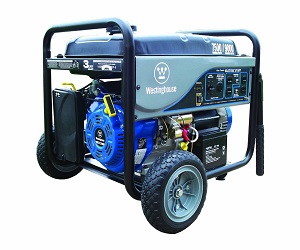
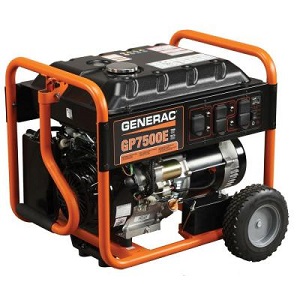
Browse Additional Quiet, Compact Portable Generators for Home Emergencies, Camping, RV Standby, Job Sites
Find Quiet Portable Generators for Home Emergencies, RV, Camping, Work Site