When You Have To Bug Out Don’t Try to Multi-Task

Disaster strikes and it’s time for you to get out and get to safety. In a bug out situation, most preppers concentrate on just getting out and away from anything dangerous. Survival is the foremost thing on their mind.

They’re alert to everything that’s going on around them and are paying attention and avoiding people who look like they could be a problem. It’s good to have that awareness as you’re bugging out.

But what some people do is when they reach a spot to rest or their bug out location, they have a tendency to lower their guard. It’s understandable. Being in a high stress situation where chaos is everywhere, you just feel like you’re tired, hungry and you want to get set up for the night.

Given a few days, what happens is their awareness dulls. The fight or flight adrenaline starts draining and they start to overlook something important – that the situation is precarious.

Safety can be a big illusion during a dangerous situation. The biggest mistake that you can make is getting too comfortable and starting to multi-task. It really is a natural reaction.

People tend to want to get comfortable when they’re on the go. They also drop right back into all their habits like doing more than one thing at once. It’s human nature to try to take care of things all at the same time.

But that multi-tasking mindset can spell trouble for you quickly. When you’re bugging out, you need to have a sharp focus. Keep your mind on what you’re doing and don’t make it easy to get caught unprepared.

You might have to take off again in a split second. You can’t do that if you’ve got your supplies scattered all around your resting spot or your bug out destination. When you’re bugging out, do one thing at a time – one chore or one thing that you have to do that aids your survival.

Don’t attempt to cook food at the same time that you’re trying to wash your dishes or your clothes or yourself. Keep your sole focus on what you’re doing and only take the supplies out of your bag that you need for that single task.

Keep your supplies stashed in your bug out bag, because if you do end up having to grab it and flee, you can pick up one pot, stash it in your bag and leave quickly easier than you can try to pick up clothes, food, or dishes all at once.

If you end up having to run and you’ve unpacked a lot of your supplies, you could end up being forced to leave necessary supplies behind just to run from a dangerous situation. That mistake could end up costing you more than you realize.

Always be constantly alert to your surroundings, much like animals in the wild are.

Browse Additional Generator Covers for Honda, Champion, Generac, Universal Brand Portable Generators
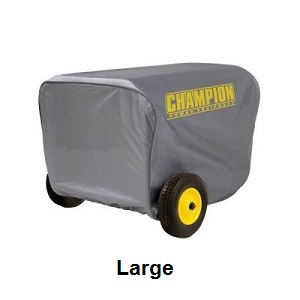
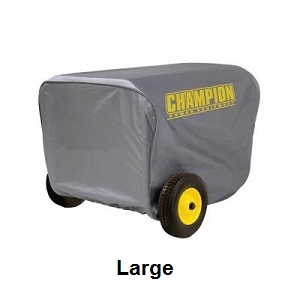
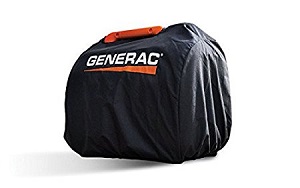
Shop Champion Medium, Large and Inverter Generator Covers
Planning Tips Before A Flood Occurs

Keeping your portable generator covered to protect it from rain, dust and UV rays will help extent the life of your generator and help make sure it will start when you need it the most.

Most generator covers are lightweight for easy coverage and portability of your portable generator. They come in different sizes for different generator brands and models.

Important Tips For Flood Emergency Preparation

Strong tropical storms and hurricanes often cause flooding, even in areas that are not prone to such an event. With the extreme weather conditions that we are facing today, everybody should be prepared for anything, particularly flooding.

Here are the things you need to do to safeguard your home for flash floods:

Prevent Water From Entering Your Home

If you are expecting heavy rains or storms to hit your locality, particularly if you live in a flood-prone area, you should cover your doors, or even windows, with metal sheets, sandbags, or plywood. You can also use silicone sealant to ensure that water will not enter your home.

Shut Off Your Utilities
You should remember to turn off all your utilities, such as gas, electricity and even water, at the mains. You should also remember to unplug all your electrical appliances and store them at high places, on the second floor, if possible.

Be Mindful of Your Appliances and Furniture

You need to ensure that your furniture and appliances are kept on high areas or upstairs. If you do not have a second floor, you can just raise such items on blocks or bricks. Be sure to remove carpets, curtains and even internal doors. Store them all in high places to ensure that they are protected from water.

Important papers, pictures and other personal items should also be placed on higher grounds, particularly on the second floor of your house. If not, you should put important papers on sealed bags to ensure that they are protected from floods.

Make sure that all objects outside your house, such as rakes, are kept in a safe place. Floodwater can easily float these items, which can pose danger to others.

Here are important things you need to do once you a flood warning has been issued:

• Information is crucial during situations like these. Thus, you need to always listen to the radio for announcements and updates.

• Be sure to cooperate fully with local authorities and emergency services. If they require you to evacuate, follow them and do not dillydally.

• Since electricity will almost certainly be unavailable, you must ensure that you do all the things you need to do during the day. It is much more difficult and unsafe to do things in the dark.

• Share the information with your neighbors, particularly the old people, so that they can also prepare themselves.

• Be sure to stay inside your house. Floodwater can kill, especially when it is raging, so do not attempt to go out. It is important to note that rapid flowing water that is six inches high could make you fall, while two feet of water could make your car float.

• Ensure that your pets and cars are in a safe location. Once you heard of flood warning, you should stay on the second floor of your house.

• There maybe objects floating in the water, so do not attempt to swim through raging flood. You can either be swept away or be knocked over by objects that are in the water.

• Floodwater may be dirty and contaminated with sewage, so you should avoid contact if possible. It would be a shame that you survived the flooding, but fell ill because of contaminated water.

• River bridges, sea defenses, and riverbanks are very dangerous places to be in during floods, so be sure to steer away from them if possible. There have been many cases wherein floodwater have destroyed or collapsed bridges and defenses.

Browse Additional Portable Generator Covers, Universal or Brand Specific
Shop Portable Generator Dust, Storage Covers