Use These Ways To Create Your Own Garden Compost

Developing your own compost is an excellent way to garden using an environment-friendly method.

Beginning a compost heap is a preferred method. Pick a dry location due to some darkness and layer your organic waste. You need to toss your food surplus in addition to the waste produced by your garden, such as trimmed leaves or cut grass. Hide the leftover food deep into the pile so their aroma does not entice roaming pets. You should change your layers routinely to aerate the stack and to see to it that the material at the bottom is turning into garden compost. The only downside to this approach is that some city governments prohibit the use of open compost piles due to the fact that they could bring in animals, and the aroma can end up being a problem if the pile is not effectively taken care of.

If making use of an open compost pile is not an option in your location, you can stash your waste. Accumulate your organic waste and bury it 8 inches into the ground. The waste will certainly develop into compost within the following 2 months and will improve the soil. This is a great choice if you are prepping your garden prior to growing brand new species, such as before spring time. This procedure may not be an alternative if your dirt is iced up in the wintertime or if you keep including more compost throughout the growing period.

If you just have to create small quantities of garden compost, you need to consider using compost bins. You can quickly discover containers at horticulture outlets or baby rooms, but remember that you can make use of a routine trash container if your local government allows you to. Pick a huge bin and poke a couple of gaps in the top and on the sides so the compost can be appropriately freshened. Layer your natural waste into the container and rearrange these layers once a week.
Worms can be utilized to create garden compost if you do not have enough space for a stack or a compost container. You will require a ten-gallon bin or container and about a hundred red earthworms or manure worms. These worms can consume meal scraps, waste from your plants, as well as paper. Fill your compartment with organic waste and hang around with patience for the worms to eat it. Their spreadings will certainly be abundant in nutrients that can be utilized to fertilize your plants. You have to oversee your worm container meticulously, ensure the earthworms are not getting out, and keep adding even more waste or even more worms as needed. This method allows you to produce small quantities of compost, but this compost is richer compared to the material acquired through various other techniques.

You should do additional study on different ways to make compost for your plants and pick the approach that is best adapted to your needs. You will find that creating your own garden compost is really easy and will really make a difference for your garden.
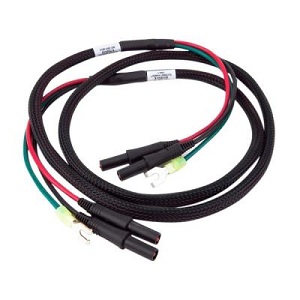
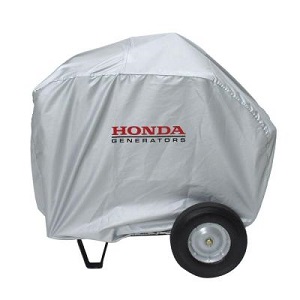
Browse Additional Generator Accessory Items for Honda, Champion, Generac and more…
Shop Portable Generator Accessories; Generator Covers, Parallel Cables, Extension Cords
Long Term Benefits Of Planting Vegetable Gardens

A lot of people are beginning to see the benefits of planting vegetable gardens. It’s usually healthier because you get to decide whether or not to use commercial pesticide on them. Since vegetable gardens are typically manageable in size because they’re not grown for profit, it’s easier for people to manage the plot without having to resort to using commercial pesticides. Vegetable gardens also assure you of fresh produce because there’s no need to pick the vegetables and refrigerate it. Vegetables stay fresh as long as you don’t pick it from your garden, except if it becomes overripe. Aside from health reasons, planting vegetable gardens is also economical because the produce is not going to be as expensive as those that you buy from markets or groceries.

People who have been successful in planting vegetable gardens usually know that you can’t keep growing only one type of vegetable in a garden. It’s usually more advisable to rotate crops instead of planting only one kind of vegetable year in and out. Rotating crops will make sure that the micro nutrients in the soil will be preserved, and that diseases will not build up in soil particulates.

Planting vegetable gardens take some careful planning on your part, and also an understanding on plant families to know which vegetable types are compatible with each other. These are some examples of groups that can be considered “compatible” and are safe to be rotated together:

Alliums – onions, leeks, shallots, and the likes Crucifers – such as radishes, turnips, broccoli, cauliflower, and the likes Brassicas – brussel sprouts, mustards, cabbages, kale and the likes Legumes – peas and beans Cucurbits – cucumbers, squashes, melons, etcetera Solanaceae – peppers, eggplants, tomatoes, and the likes Mescluns – arugula, endive, radiccio, etcetera

Rotating vegetables of the same family would also mean that (more often than not) they would be susceptible to the same kind of pests. This makes pest control a bit more manageable for you since you don’t have to adjust to different types of pests for different families of vegetables.

Vegetables such as asparagus, rhubarbs, and other perennial vegetables must not be rotated. They should be planted separately because of this. The more hardy and semi-annual vegetables can be rotated yearly so that no family of vegetables is planted in the same bed for four years. If you have done some planning before planting vegetable gardens, a small plot would like similar to this: four beds for plants that can be rotated, and one bed for perennial, non-rotating plants.

It would also be ideal for people who planning on planting vegetable gardens to spread out the kinds of vegetables they plant so that they don’t harvest too much of the same vegetable in one season. You wouldn’t want to be stuck with too many cucumbers in one season, would you? Throughout the growing season, try and plant varying types of short-season vegetables so that you’ll be assured of many different types of vegetables throughout the season.

If you really plan to get the most out of planting vegetable gardens, it’s best if you do your research first. Check which plants go together, check whether you have enough space to rotate your plants, check which plants you can actually rotate to prevent poisoning and depleting the nutrients of the soil, and spread out the type of vegetables you plant so you won’t have too much of the same thing for the whole planting season.

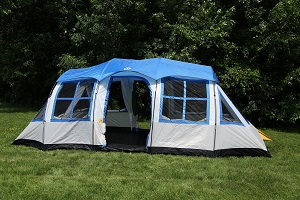
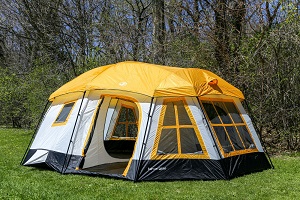
Browse Additional Family Cabin Style Outdoor Camping Tents with eport, room dividers, rainfly and more…
Shop Outdoor Family Cabin Style Tents