Music For Babies Sleep
You’ve probably seen videos and CDs for babies. There are some theories that classical music can make your baby smarter, and exposing your baby to music is part of what we do to introduce them to all the sights and sounds of their world.
Music can definitely help calm your baby down and put him in a restful state at bedtime or nap time. What are some good choices for a baby?
Almost anything you love or use for relaxation is good for a baby too. There are good collections of Mozart or Bach for bedtime. The music of Enya can be very soothing as well. Georgia Kelly’s harp music is also relaxing and peaceful.
When your baby’s awake, there are lots of nursery rhymes or music from kids’ movies that can stimulate his senses. We’ve known kids who respond to minimalist Phillip Glass’s music; it’s simple and rhythmic and when they get older, they’ll dance with it. Spirituals and soft gospel music are also good choices to help the baby get to sleep.
White noise, in the form of a fan (not directed right at the baby), or from sound machines that simulate the sound of an ocean or rain can be restful as well, and can block out noise from the home. You don’t need to create an artificially silent environment for the baby, however, since that can make it harder for them to get to sleep when the home’s rhythms and noises get back to normal.
This is a great time for you to explore classical music as well, if it’s not already part of your life. The same music that’s helping your baby get to sleep can help soothe your own nerves and provide a wonderful time of bonding and restfulness for you and your baby together.
Sleep Requirements for Baby
As a new mother, you probably will wonder whether your baby is sleeping enough, or sleeping too much. There are guidelines of what to expect, but of course these can vary from baby to baby. Even if you’ve had children before, each baby will be different.

Newborn babies usually sleep about 16-17 hours in a 24-hour period. Most babies will not sleep through the night until they’re at least 3 months old. There are several reasons why. First of all, their stomachs are very small and they’ll get hungry faster, especially if you’re breastfeeding your baby. Breast milk is much more easily digested than formula, and your baby will need to feed more often, especially in the beginning.
Babies also have shorter sleep cycles than adults do and have shorter dream cycles. In general, though, a newborn baby should sleep about 8 or nine hours during the day and 8 hours or so at night. These won’t be in 8-hour cycles, of course. In the beginning, those sleep times will be very short.
As the baby gets older, up to about 2 years of age, she’ll still be sleeping 13-14 hours, but the amount of daytime sleep will diminish month-by-month. By age 2, your baby should be sleeping through the night with a 2-hour nap during the day. Again, this will vary by child. Your baby might need a slightly longer nap or two short naps. At this age though, try to discourage naps too late in the afternoon, as this can make it harder to get them to sleep a few hours later at bed time.
Once a baby begins to regularly sleep through the night, parents are often dismayed when he/she begins to awaken in the night again. This typically happens at about 6 months of age and is often a normal part of development called separation anxiety, when a baby does not understand that separations are temporary.
Sleep Issues with Toddlers (1 to 2 year olds)
As your baby gets older and turns into a toddler, they’ll start to need less sleep during the day, but about 11 hours or so at night. You’ll be transitioning to fewer naps and even a cranky tired baby can have difficulty getting to sleep.
If your child will to go to bed only if you’re around, he’s forming bad habit that will be hard to break later. The best lesson you can teach him is how to soothe himself to sleep. Follow a nightly bedtime ritual (bath, books, and bed, for example) so he knows what’s expected of him and what to expect at night. You can tell him that if he stays in bed you’ll come back in five minutes to check on him. Let him know that he’s safe and that you’ll be nearby.
Toddlers are great negotiators, and they’re no different when it comes to bedtime. And because they so enjoy the time they spend with you, they’ll do what they can to prolong the time they have with you. Your child may take his time doing his usual nightly routine, ask repeatedly for a glass of water, or keep requesting that you come to his room because he needs something. If you suspect he’s stalling, don’t let him. Tell him it’s time for bed and that he can finish working on his art project the next day or find the stuffed bunny the following morning. Make the nighttime routine more “business like” when you kiss your baby and tuck him/her in. Don’t wait around for your baby to fuss. Just leave and close the door and wait about ten minutes before you go back in the room.
Sometimes it’s just a battle for control. Your toddler wants to control his environment as much as possible. You can’t force him to fall asleep. Try reverse psychology and tell him he doesn’t have to go to sleep, but can play in his crib. Eventually, he’ll fall asleep on his own.
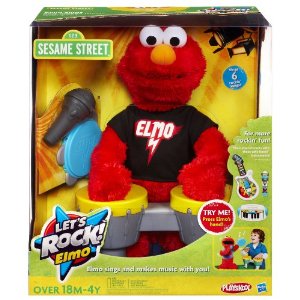
For More Fun Playskool Sesame Street Dolls and Toys visit:
Shop Elmo’s World