When You Have To Bug Out Don’t Try to Multi-Task

Disaster strikes and it’s time for you to get out and get to safety. In a bug out situation, most preppers concentrate on just getting out and away from anything dangerous. Survival is the foremost thing on their mind.

They’re alert to everything that’s going on around them and are paying attention and avoiding people who look like they could be a problem. It’s good to have that awareness as you’re bugging out.

But what some people do is when they reach a spot to rest or their bug out location, they have a tendency to lower their guard. It’s understandable. Being in a high stress situation where chaos is everywhere, you just feel like you’re tired, hungry and you want to get set up for the night.

Given a few days, what happens is their awareness dulls. The fight or flight adrenaline starts draining and they start to overlook something important – that the situation is precarious.

Safety can be a big illusion during a dangerous situation. The biggest mistake that you can make is getting too comfortable and starting to multi-task. It really is a natural reaction.

People tend to want to get comfortable when they’re on the go. They also drop right back into all their habits like doing more than one thing at once. It’s human nature to try to take care of things all at the same time.

But that multi-tasking mindset can spell trouble for you quickly. When you’re bugging out, you need to have a sharp focus. Keep your mind on what you’re doing and don’t make it easy to get caught unprepared.

You might have to take off again in a split second. You can’t do that if you’ve got your supplies scattered all around your resting spot or your bug out destination. When you’re bugging out, do one thing at a time – one chore or one thing that you have to do that aids your survival.

Don’t attempt to cook food at the same time that you’re trying to wash your dishes or your clothes or yourself. Keep your sole focus on what you’re doing and only take the supplies out of your bag that you need for that single task.

Keep your supplies stashed in your bug out bag, because if you do end up having to grab it and flee, you can pick up one pot, stash it in your bag and leave quickly easier than you can try to pick up clothes, food, or dishes all at once.

If you end up having to run and you’ve unpacked a lot of your supplies, you could end up being forced to leave necessary supplies behind just to run from a dangerous situation. That mistake could end up costing you more than you realize.

Always be constantly alert to your surroundings, much like animals in the wild are.

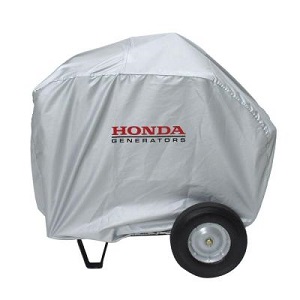
Browse Additional Generator Covers for Honda, Champion, Generac, Universal Brand Portable Generators
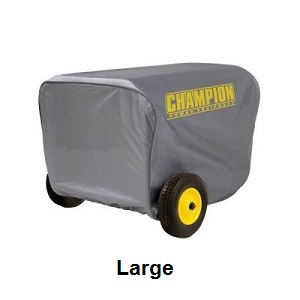
Shop Champion Medium, Large and Inverter Generator Covers
Practice Your Bug Out Plans For A Safe and Smooth Escape When The Time Comes

Having a bug out plan is one thing but really putting it into action is another. Everything looks different when emotions are heightened and the possibility that your life could be at stake enters the picture. It can be stressful and when you add in the fear that young children experience during chaos, your bug out plan could end up costing you instead of saving you.

That’s why you need to practice, kind of like practicing your fire drill, various bug out scenarios so that your escape plan runs smoothly. You want everyone to know what to do, when to do it and how to react. You want everyone to know ahead of time that everything is going to be okay. By having clear cut instructions that your family knows like the back of their hand, what can happen during chaos is that repetition can overcome the fear. Everyone can act on autopilot because they’ve had what to do drilled into them through practice.

It’s not enough to have everyone act out the escape plan a couple of times. You need to hold ongoing escape drills and various scenarios that impact that escape every single month. This way, your younger children won’t be afraid when something happens. They’ll know that everything is going to be okay.

You need to have a meeting point in place and each family member should know where it is and the route to take to get there. But everyone needs to also know a plan B in case the road leading to the meeting point is blocked or has been compromised.

You’ll want to practice getting to this meeting point when you’re at home as well as when the family is separated. Obviously, you’ll keep younger kids with you but older teenagers need to know how they’re going to get to the meeting point.

You need to know ahead of time what to do if everyone is doing their job. This includes knowing who gets which family member if necessary. If you have a number of small children and / or elderly family members you may need to assign responsibility for a small child to one of the teenagers. You want to know how to act when it’s needed. Trying to decide how to react in the heat of the moment always compounds the problem.

You need to practice for the different scenarios. This includes ones like natural disasters. Prepare flood evacuation, fire evacuation and if you live in a tornado prone area, plan how you’re going to escape the area. You need to have an escape plan in place in the event of an EMT, an enemy air strike or biological warfare. Don’t just say “oh, that will never happen here”.

Go over your escape plan during the morning hours, in the afternoon and in the evening because things look different at night. Practice as if you didn’t have any power at all. Practice escaping both on foot and in a vehicle.

Make sure that every member of the family has an alternative way to communicate if cell phones go down. Have a spot chosen ahead of time where you can leave communication such as notes if you have to.

Run through your complete drill from beginning to end. It might be an inconvenience now, but in the long run, it could save your life and those you care most about.

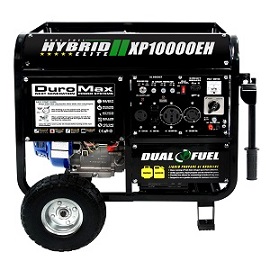
Browse Addition Portable Generators for Home, Camping, Job Sites, Tailgating, Sports Events and more…
Shop Portable Generators for Home, Camping, Work Sites, Tailgating and more…

Use These Ways To Create Your Own Garden Compost

Developing your own compost is an excellent way to garden using an environment-friendly method.

Beginning a compost heap is a preferred method. Pick a dry location due to some darkness and layer your organic waste. You need to toss your food surplus in addition to the waste produced by your garden, such as trimmed leaves or cut grass. Hide the leftover food deep into the pile so their aroma does not entice roaming pets. You should change your layers routinely to aerate the stack and to see to it that the material at the bottom is turning into garden compost. The only downside to this approach is that some city governments prohibit the use of open compost piles due to the fact that they could bring in animals, and the aroma can end up being a problem if the pile is not effectively taken care of.

If making use of an open compost pile is not an option in your location, you can stash your waste. Accumulate your organic waste and bury it 8 inches into the ground. The waste will certainly develop into compost within the following 2 months and will improve the soil. This is a great choice if you are prepping your garden prior to growing brand new species, such as before spring time. This procedure may not be an alternative if your dirt is iced up in the wintertime or if you keep including more compost throughout the growing period.

If you just have to create small quantities of garden compost, you need to consider using compost bins. You can quickly discover containers at horticulture outlets or baby rooms, but remember that you can make use of a routine trash container if your local government allows you to. Pick a huge bin and poke a couple of gaps in the top and on the sides so the compost can be appropriately freshened. Layer your natural waste into the container and rearrange these layers once a week.

Worms can be utilized to create garden compost if you do not have enough space for a stack or a compost container. You will require a ten-gallon bin or container and about a hundred red earthworms or manure worms. These worms can consume meal scraps, waste from your plants, as well as paper. Fill your compartment with organic waste and hang around with patience for the worms to eat it. Their spreadings will certainly be abundant in nutrients that can be utilized to fertilize your plants. You have to oversee your worm container meticulously, ensure the earthworms are not getting out, and keep adding even more waste or even more worms as needed. This method allows you to produce small quantities of compost, but this compost is richer compared to the material acquired through various other techniques.

You should do additional study on different ways to make compost for your plants and pick the approach that is best adapted to your needs. You will find that creating your own garden compost is really easy and will really make a difference for your garden.
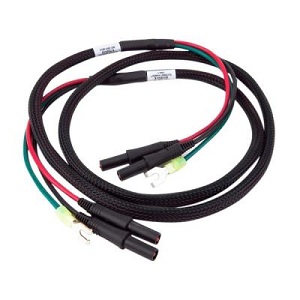
Browse Additional Generator Accessory Items for Honda, Champion, Generac and more…
Shop Portable Generator Accessories; Generator Covers, Parallel Cables, Extension Cords