Installing Garden Edging Yourself

If you are installing a garden edging for the first time, you may realize that it is not an easy task especially if you decide to do it without the help of a professional gardener. Doing the installation yourself may help you cut cost. Here are some guides to help you do the right ways:

1. Pick the right material for your climate and garden – Materials that are made of wood usually last not more than 10 years that is why it is not advisable to places which has harsh weather condition. Garden edging made of steel are also prone to rust. Other choices of materials for garden edging include plastic, rubber, stones, sea shells, brick or concrete pavers, gravel, metal, and aluminum.

2. Follow the manufacturer’s instructions – Manufactured garden edgings usually come with manual instructions so you can find it easy to install. Plastic materials are one of the easiest and safest to install because they are flexible. They come in fence or roll styles. Steal materials come in various colors. Although steal materials hold up easily on trenching and soil, they are dangerous to maintain. They have the chances to get accidentally cut by mowers.

3. Natural and recycled materials are also excellent garden edging – If you feel using not using conventional materials for your edging, you may visit garage sales and junkshops for some inspiration. You may also find materials right in your backyard, like old bottles and chunks of woods. The installation does not necessarily require professional help. Just a word of caution, if you have pets in the house or younger kids who loves to play by the garden, natural edging like spading is not perfect because they may not last long. Also spading usually lasts not more than a year, so you need to redefine your garden edging every year.

3. Before installing the garden edging, mark a clean edge separating your lawn and plant or flower bed. To make sure the height of the edges are all the same, place two stakes at opposite ends of the plant bed and tie a string between them. Spray weed killer on any grass or weed that pops out before they grow many and tall.

4. The trench is where you will place the edging so make sure that its depth coincides with the thickness and height of the edging material and the depth of the supporting foundation. The depth of the trench is usually between 4 to 6 inches deep. Sand makes an excellent foundation for edging. Remove any dirt or grass roots from the sand, then, shovel sand into the trench and smoothen it. You may be tempted to just pound the edging using a hammer into the soil but remember that if you do this, the edging will eventually resurface.

5. Level the edging. Ideally, garden edging’s height is about half an inch above the soil. With that height, your garden edging will already stand out but not become the first thing that will catch attention when people look at your lawn.

Using Wood For Garden Edging

Wood garden edging creates a natural, quaint, and rustic look to your garden. This material is also popular among garden owners who prefer eco-friendly materials in their landscaping. Wood edging “lends” numerous effects to a garden. Varying lengths of lumber placed into the ground can create a rustic effect. While, horizontal and long beams can create a clean and minimalist landscape.

Eco-minded garden owners usually prefer using wood as garden edging. However, the downside of wood is that it is prone to withering and usually doesn’t last for more than 10 years. Some garden owners recommend woods like cedar, cypress, redwood lumber, and other types of hardwood to be effective edging because these types of wood are rot resistant and soil rated. On the other hand, professional landscapers often use landscape timber as wood garden edging. Landscape timbers are used railroad ties or similarly shaped piece of wood measuring about 4 inches by 4 in cross section and 8 feet. Aside from edging to plant or flower beds, landscape timbers are also used in terraces and retaining walls. To withstand harsh elements, landscape timbers are treated and can last at least seven or eight years depending on application of wood treatment and the climate involved. According to some garden owners, the longest lifespan of a landscape timber is 20 years.

When you buy wood for garden edging, choose edging that has already been treated for contact with the soil to prevent wood from early rotting. The depth of the trench should depend on how tall the edging is. Make the edging stand 1 inch higher above the grass. You can do this by giving a 1 inch allowance when you make the dugout for the trench. Make sure the bottom of the trench is in level by laying part the edging inside. If there are spaces that are higher, level and flatten the surface. Using a 2-by-4 firmly stamp the ground compact in the bottom of the trench as final touch.
Secure wooden stakes on the edging 1 inch below the top edge using common nails and a hammer. Stakes should be apart not more than 4 feet apart from each other. If there are edging that needs to be cut to fit the space, use a hand saw or circular saw. Seal each ends with a sealer after the cut to prevent withering.

Position the edging in the trench with the stakes facing the plant bed. Drive the stakes into the ground using a sledgehammer. Fill in the space on the side of edger reverse the plant bed with loose soil. Stamp down the loose soil to compress it into the ground and against the wood garden edging.

Wood garden edging can be bought at garden/home centers. Aside from redwood, cedar, and other types of hardwood, you can also try wooden garden edges made of compressed wood or pressure-treated lumber. Compressed wood is made by compressing wood chips together to create a stronger type of wood. This type of wood is durable and cheaper and more uniform than conventional wood, thus you do not need to cut edges for uniformity.

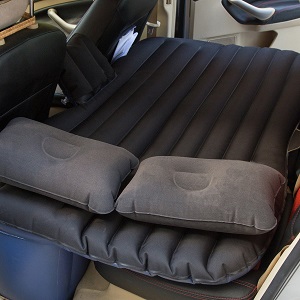
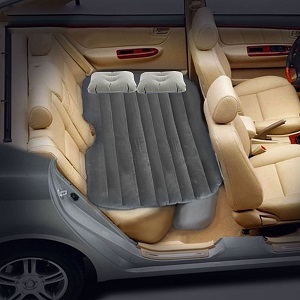
Browse and Select From Additional Inflatable Air Bed Mattress for Car, SUV, Truck Back Seat
Shop Car, SUV Back Seat Inflatable Air Bed Mattress
Granite Cobblestones for Garden Edging

If you prefer garden edging that are eco-friendly, one of your choices might be granite cobblestones. Granite cobblestones are rectangular-shaped blocks made from granite, a type of ingenuous rock and often used in paving for its rustic charm. However, because granite when installed on trench creates durable edging and adds beauty to gardens, granite cobblestones became a popular choice for garden edging. They are available at home improvement shops and garden stores. Granite cobblestones come in different colors like pink, white, black, orange, and gray.

Granite cobblestones just like other garden edging materials will help keep grass and your perennials from interacting. However, this type of edging material is quite expensive especially if you have a large garden.

There are many other materials that you can use as garden edging like metals, aluminum, and steel but none of them can give the rustic and eco-friendly effect granite cobblestones can only give. Granite cobblestones usually last a long time as garden edging. You do not need to replace them like once a year. They are not vulnerable to weathering because of rain and snow. They are good investment to your garden.

If you really want to cut cost but cannot give up the idea of using granite cobblestones in your garden edging, here are some options:

1. Buy recycled or reclaimed granite cobblestones – Recycled or reclaimed granite cobblestones usually come from the streets of some historic cities like Chicago and Philadelphia with colors like gray, deep purple, brown, and red.

2. Install new granite cobblestones few at a time – If you do not want reclaimed granite cobblestones, you may buy new ones but few at a time as you can afford them. You can temporarily use natural stones on spots that hadn’t been edged yet with cobblestones and replace them with the same color and size of granite cobblestones when you already have the budget. Just remember to inform the home improvement store that you will be keeping their number for future purchase.

3. Watch out for discounts – Some home improvement shops hold annual sale on granite cobblestones. You may plan ahead the purchase and make the sale when the discount scheme arrives.

3. Do the installation yourself – Installing granite cobblestones is easy. First, you need to make an outline of your desired course of edging with stakes, strings or a garden hose. Then, make two parallel lines along that outline. Measure the thickness of your cobblestones and space the parallel lines equal to the thickness of the cobblestones.

Using a garden trowel, dig a trench between the lines. Dig a trench to a depth equal to the width if the cobblestones. Using a spade, smooth out the bed of the trench and tamp it with a 2 X 4 to compact the soil.

Add at least a one inch layer of crushed rocks to the bed of the trench. Fill the gaps of the crushed rocks with sand. Then, gently insert the granite cobblestones one by one into the trench until you edged the whole area of the plant or flower bed. Using a rubber mallet, carefully tap the top edges of the cobblestones to settle the pieces into the gravel bed.

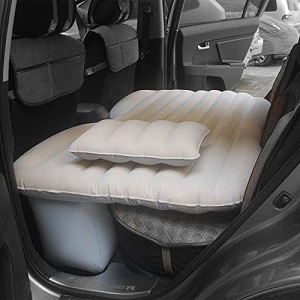
Shop More Inflatable Air Bed Mattresses for Your Car, SUV Back Seat or Cargo Area
Shop Car Back Seat Inflatable Air Bed Mattress
Your Bug Out Bag Should Contain Unscented Toiletries

Making sure that you sleep well because you have a bug out bag ready is the first step in making sure you survive any situation that’s a threat to life as you know it. Most preppers understand the need to keep quiet about their supplies and not tell anyone what they have when they’re bugging out.

They know that spreading the word that they have supplies can make them a target. However, you might be making yourself a target and not even realize it. When you’re bugging out in a dangerous situation, you need to make sure that you’re using unscented toiletries.

Using a product that has a scent is like having a sign pointing the way to you. People can follow a scent trail even if they’re not trained in survival tactics. Wild animals can also pick up a scented toiletry trail and follow it right to you.

When you bathe or wash your hands, you need to be sure that the soap you use is a plain bar or liquid that leaves no trace on your skin. If you have a scent on your hands, all it takes is for you to touch something and you leave behind the ability for someone to track you.

If you’re someone who uses the liquid hand sanitizers while the different sweet scents might smell good to you, they can be potent and easy to follow. When you’re bugging out, give up using anything scented on your hands.

That means lotions, too. If you put lotion on your hands to help with dry skin or to prevent chapped skin and it has a scent to it, someone can find you. Always choose the unscented brands and do a sniff test of anything you use on your hands to make sure there really is no scent.

It’s a good idea to use sunscreen for bugging out, but you need to make sure that the product that you’ve chosen doesn’t leave behind a scent trail. Some brands that are unscented still have an identifiable scent, so check that as well.

For people who use scented deodorants, you’ll want to give that up when you’re bugging out. Deodorant scents have a tendency to waft around in the air as someone moves his or her arms.

Any kind of shampoo that you use should not have a scent. These are easily tracked as well. Plus, you want to avoid fruity smelling shampoos because those can also attract insects. Make sure if you use conditioner, that it doesn’t have a scent, either.

If you use any kind of coating on your lips to prevent them from getting chapped, forego the scented or berry ones and use unscented only. Check your bug repellent for scent as well. Some of these can have a lemony scent. If you’re traveling with kids or babies, make sure the wipes that you use for them are unscented.

The key is to think through what you have in your bug out bag and make sure you are not leaving a trail for animals or humans to follow.

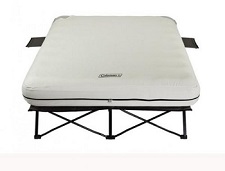
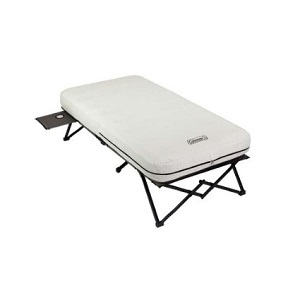
Browse Additional Air Bed Mattresses on Legs or Stand for Tent Camping, RV, Extra Guest and more…
Shop Air Bed Mattress with Legs, Stand